
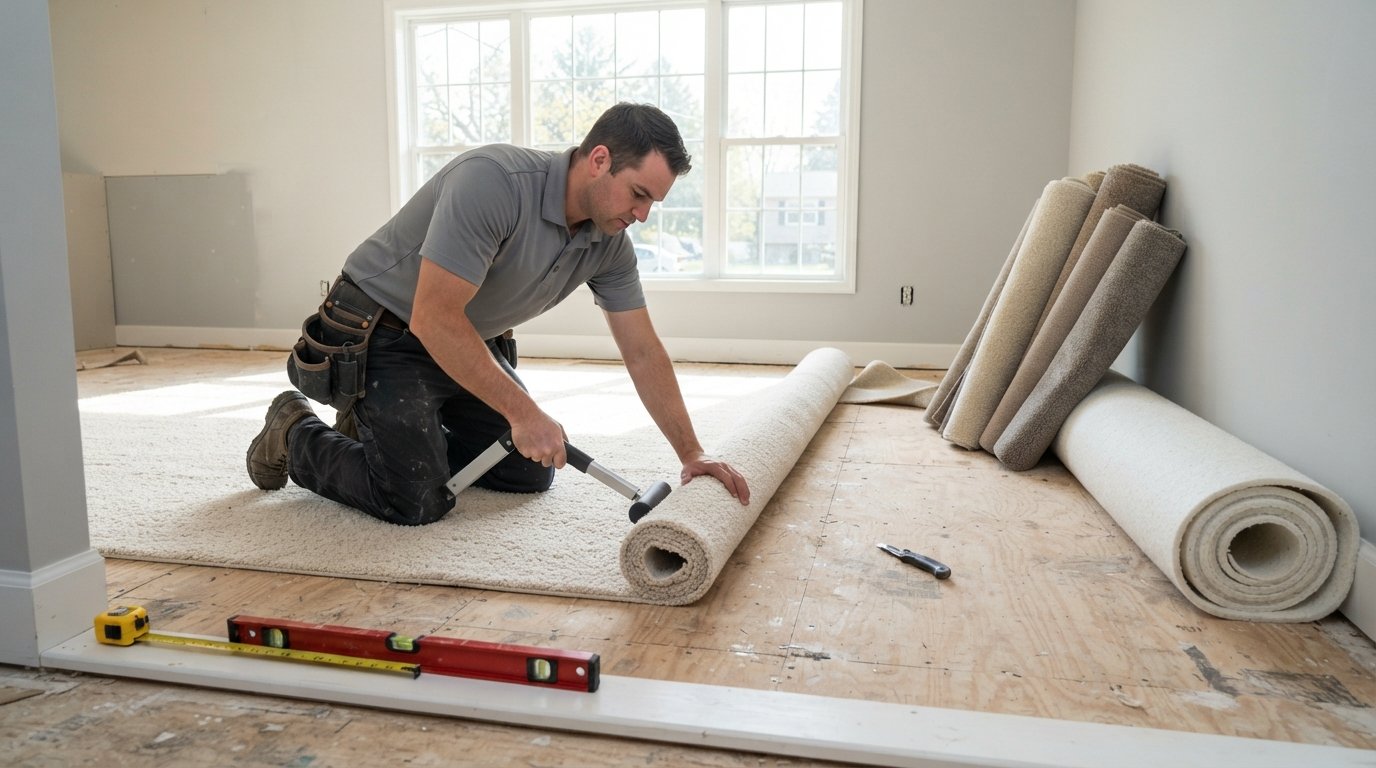
Carpet Installation Cost Guide for 2026
Learn what affects carpet installation costs, how to choose materials, and why hiring a pro ensures a flawless finish.

By Cameron Howard
Learn more about Carpet Installation for guides, costs, and what to expect.
Compare Carpet Installation Pros Near You

Enter your ZIP code to compare top-rated local professionals and request free quotes.
Replacing the flooring in a home is a significant decision, and carpet remains a top choice for bedrooms, family rooms, and stairs because of its comfort, warmth, and sound-absorbing qualities. But the thought of installation can feel overwhelming, especially when you are trying to budget for both materials and labor. The truth is, understanding how carpet installation works, what drives the final price, and how to prepare your home can turn a potentially stressful project into a smooth, rewarding upgrade. This guide walks you through every step, from measuring and choosing materials to hiring the right professional, so you can move forward with confidence and avoid costly surprises.
What Affects the Total Cost of Carpet Installation?
Before you request a single quote, it helps to know where your money goes. The total price of a carpet installation project is not just about the price per square foot of the carpet itself. Several factors combine to create your final invoice, and understanding them helps you compare estimates fairly and spot hidden charges.
The most significant variable is the type of carpet you select. Carpet is priced by the square foot, and the range is broad. Basic builder-grade carpets might cost as little as $1.50 per square foot, while luxury wool or branded stain-resistant options can exceed $10 per square foot. The padding underneath, which is essential for comfort and durability, adds another layer of cost, typically between $0.50 and $1.50 per square foot. Finally, labor costs for professional installation usually run from $1 to $3 per square foot, depending on your region and the complexity of the job.
Beyond these basics, several other factors can influence the bottom line. Here is a breakdown of the most common cost drivers:
- Room shape and layout: Rooms with many corners, angles, or stairs take more time and produce more waste, raising labor costs.
- Furniture moving: Some installers will move large furniture for an extra fee, while others require it to be moved before they arrive.
- Old flooring removal: Tearing out and disposing of old carpet, padding, and tack strips usually costs an additional $0.50 to $1 per square foot.
- Subfloor repairs: If your existing subfloor has damage, squeaks, or uneven areas, fixing it before installation will add to the project cost.
- Stairs: Installing carpet on stairs is labor-intensive and often priced per stair, typically $10 to $25 per step.
Because these variables add up quickly, the best way to get an accurate picture is to have a professional measure your space and provide a detailed quote. A free in-home estimate can reveal specific challenges you might not have considered, such as the need for new tack strips or a moisture barrier.
Choosing the Right Carpet for Your Home and Budget
Selecting the carpet itself is where you have the most control over cost and quality. The fiber type, pile height, and density all affect how the carpet feels underfoot and how long it will last. For high-traffic areas like hallways and family rooms, you want a durable, stain-resistant carpet. For bedrooms, comfort and softness might take priority.
Here are the most common carpet fibers you will encounter:
- Nylon: The most popular choice for its excellent durability, resilience, and stain resistance. It is slightly more expensive but ideal for active households.
- Polyester: Known for its softness and vibrant color options, polyester is more affordable than nylon but can mat down in high-traffic zones.
- Olefin (Polypropylene): Highly stain and moisture resistant, making it a good option for basements or outdoor rooms, but it is less resilient under heavy weight.
- Wool: The premium option, offering natural softness, durability, and insulation. Expect to pay a significant premium for wool carpet.
When comparing options, ask about the carpet's density and twist level. A higher density and tighter twist generally mean better durability. Also, consider the warranty. Most reputable carpets come with a wear warranty, and some offer stain protection. While a longer warranty is a good sign, read the fine print to understand what is covered and what is excluded.
Once you have a shortlist of carpet styles, request samples to bring home. Place them in the actual rooms where they will be installed, and observe them in different lighting conditions throughout the day. This helps you see how the color and texture work with your furniture and wall colors, reducing the chance of disappointment after installation.
Professional Installation vs. DIY
Many handy homeowners consider installing carpet themselves to save money, but this is one project where professional skill truly makes a difference. Carpet installation requires specialized tools, such as a power stretcher, knee kicker, and seam iron, which most homeowners do not own. Improper stretching leads to wrinkles and ripples, and poorly joined seams are visible and can come apart over time.
Professional installers bring experience that ensures a smooth, tight, and long-lasting result. They also handle tricky aspects of the job, like transitioning between rooms, fitting carpet around stairs and doorways, and cutting perfect seams. The labor cost, while not insignificant, is a worthwhile investment for most homeowners, especially if you value a flawless finish and a warranty on the workmanship.
If you are considering the DIY route, ask yourself a few questions. Do you have access to the necessary tools? Are your rooms simple rectangles without many obstacles? Are you comfortable with the physical demands of carrying and cutting heavy rolls of carpet? If you answered no to any of these, professional installation is the safer choice. Remember, a poorly installed carpet not only looks bad but can also void the manufacturer's warranty.
Preparing Your Home for Installation Day
Once you have selected your carpet and scheduled the installation, a little preparation goes a long way. A smooth installation day means the crew can focus on their work instead of navigating obstacles, which can also prevent extra charges for time-consuming moves.
Start by clearing the rooms completely. Remove all furniture, including heavy pieces like pianos and china cabinets. If you cannot move something, inform the installers in advance so they can plan accordingly. Remove all items from closets, and take down curtains or drapes that might be in the way. Also, remove any fragile items from walls, as the vibration from the installation process can knock them loose.
Make sure the installers have a clear path to the work area. In addition, ensure they have access to a power outlet, and consider covering any adjacent flooring with drop cloths to protect it from dust and debris. If you have pets, arrange for them to stay in a separate area or out of the house entirely, as open doors and strange noises can cause them to escape.
Finally, confirm the delivery and installation timelines with your contractor. Ask exactly what time they expect to arrive and how long the job will take. This allows you to plan your day and ensures someone is present to answer questions and inspect the work when it is done.
The Installation Process: What to Expect
Understanding the steps your installer will take helps you appreciate the work involved and know what to look for during the final inspection. A typical professional carpet installation follows a clear sequence.
First, the installer will remove the old carpet and padding. They will cut the carpet into manageable strips, roll it up, and haul it away. Then, they will remove the old tack strips and inspect the subfloor for any issues. If there are squeaks, they might screw down the subfloor, and if there is damage, they will note it and discuss options with you.
Next, they will prepare the room by installing new tack strips around the perimeter. These wooden strips with sharp pins hold the carpet in place. A heavy-duty padding is then laid over the subfloor and stapled down. The seams of the padding should be taped or stapled to prevent them from shifting.
The carpet is then cut to size, with extra material allowed for trimming. If the room requires a seam, the installer will use a seaming iron and adhesive tape to join two pieces of carpet seamlessly. After the pieces are joined, the installer uses a power stretcher to pull the carpet tight across the room, ensuring a smooth, wrinkle-free surface. Finally, they trim the edges, tuck the carpet under the baseboards, and reattach any vents or transitions.
Once the installation is complete, do a thorough walkthrough. Look for any visible seams, wrinkles, or loose edges. Walk across the carpet to check for any unevenness. Test the transitions between different flooring types, and open and close doors to ensure they still clear the new carpet height. If anything looks off, point it out to the installer before they leave.
How to Find and Vet a Reliable Carpet Installer
The quality of your carpet installation depends heavily on the skill of the contractor you choose. A bad install can ruin even the most expensive carpet, so it is worth the time to find someone reputable. Do not simply hire the first name from a search engine or the cheapest bid. Instead, take a systematic approach.
Start by asking for recommendations from friends, family, and neighbors who have had carpet installed recently. Their firsthand experience can be invaluable. Then, supplement that with online research. Look for companies with strong reviews on platforms like Google and the Better Business Bureau. Pay attention to how they respond to negative feedback, as this reveals their customer service attitude.
When you have a few candidates, request a detailed written estimate from each. The estimate should include the total cost for carpet, padding, labor, and any additional services like old flooring removal or furniture moving. It should also specify the brand and style of carpet and padding they plan to use. Be wary of estimates that are significantly lower than others, as they may cut corners on materials or labor.
Before making a final decision, verify the contractor's license and insurance. A legitimate contractor should carry liability insurance and workers' compensation to protect you and their crew. Also, ask for references from recent jobs and follow up with them. Ask about the quality of the work, the cleanliness of the crew, and whether the project stayed on schedule and on budget.
Once you are satisfied with your research, you can connect with trusted local professionals through services like HomeReModelingsContractors.com. Requesting a free quote through a reputable platform simplifies the process and ensures you are comparing vetted contractors in your area.
After Installation: Care and Maintenance Tips
Your new carpet is an investment, and how you care for it in the first few weeks and beyond will affect its lifespan and appearance. Proper maintenance starts on day one.
For the first 24 hours, keep heavy furniture off the carpet to allow the fibers to settle. When you do place furniture back, use protective floor coasters under the legs to prevent indentations. Vacuum regularly, at least twice a week in high-traffic areas, to remove dirt and grit that can wear down the fibers. Use a vacuum without a beater bar for the first few weeks, as the spinning brush can disturb the new fibers.
Blot spills immediately with a clean, dry cloth. Avoid rubbing, which can push the stain deeper into the fibers. For tougher stains, use a carpet cleaner specifically designed for your carpet type, and always test it in an inconspicuous area first. Consider having your carpet professionally cleaned every 12 to 18 months to remove deep-set dirt and revive the fibers.
To extend the life of your carpet, use area rugs in high-traffic entryways and hallways to catch grit before it reaches the carpet. Also, rearrange your furniture periodically to change traffic patterns and prevent excessive wear in one spot. With consistent care, a quality carpet can look great for 10 to 15 years or more, making your installation investment worthwhile.
Planning a carpet installation project does not have to be stressful. By understanding the costs, choosing the right materials, preparing your home, and hiring a qualified professional, you can enjoy a beautiful new floor that adds comfort and value to your home. The key is to gather all the information, compare your options, and move forward with a clear plan. When you are ready to take the next step, consider reaching out to a local contractor for a free estimate to see exactly what your project will cost and to get professional advice tailored to your home.