
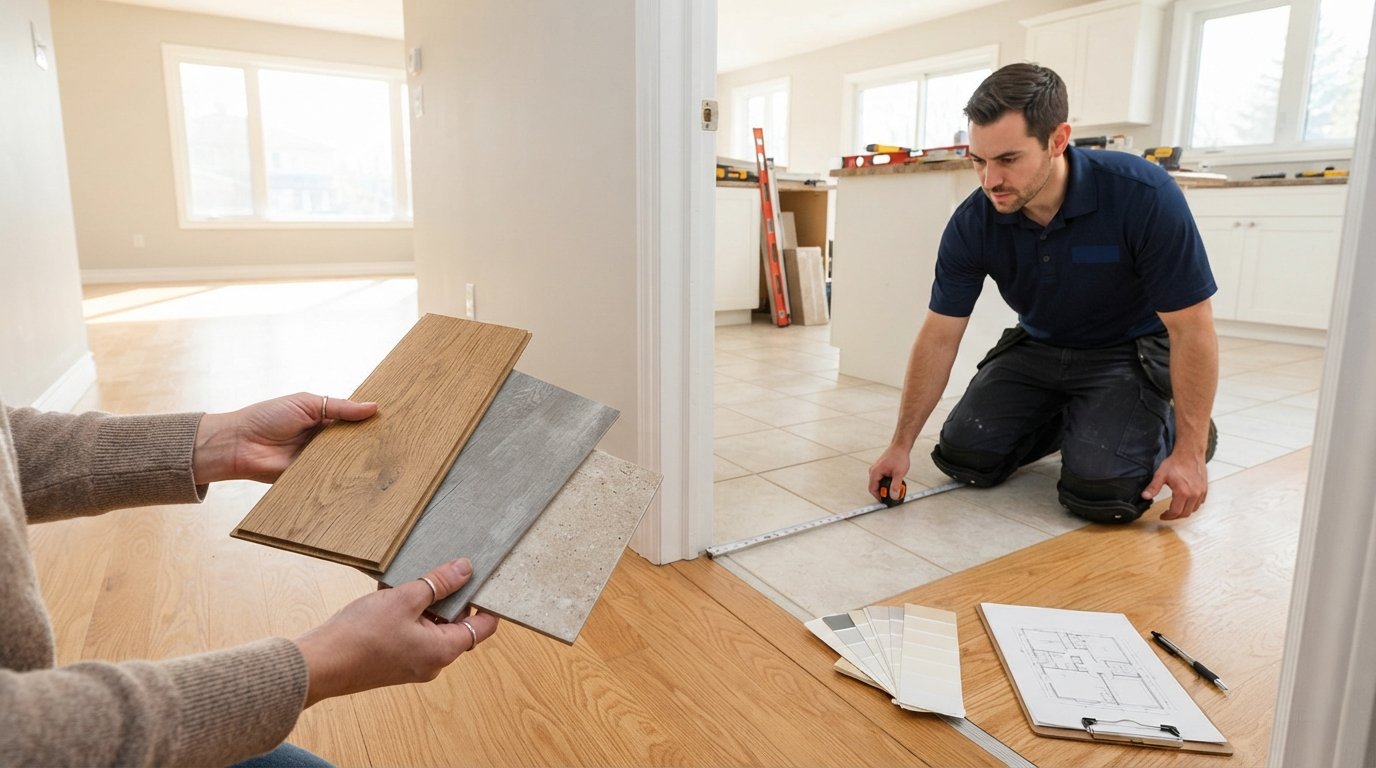
Choosing Flooring Materials Room by Room for Durability and Cost
Match flooring to each room for durability and cost. Learn which materials work best in kitchens, baths, basements, and more.

By Sarah Thomas
Learn more about Floor Installation or Replacement for guides, costs, and what to expect.
Compare Floor Installation or Replacement Pros Near You

Enter your ZIP code to compare top-rated local professionals and request free quotes.
Your floors take more punishment than almost any other surface in your home. They handle foot traffic, dropped dishes, pet claws, moving furniture, and the occasional spilled glass of juice. When you are planning a remodel, choosing flooring materials room by room for durability and cost is one of the smartest moves you can make. A single flooring type rarely works everywhere, and treating every room the same often leads to overspending in low-traffic areas or premature wear in high-traffic zones.
This guide breaks down the decision room by room, so you can match material performance to real-world use while keeping your budget in check. We will cover moisture, traffic, maintenance, and installation costs, plus how to find a local flooring contractor who can help you get it right the first time.
Why Room-by-Room Flooring Decisions Save Money
Homeowners often fall into one of two traps. They either pick one affordable material and install it everywhere, or they splurge on premium flooring throughout the entire house. Both approaches can waste money. A luxury vinyl plank in a guest bedroom may be overkill, while hardwood in a basement bathroom is a costly mistake waiting to happen.
Thinking room by room lets you allocate your flooring budget where it matters most. High-traffic zones like kitchens, hallways, and living rooms deserve materials that resist scratches, moisture, and stains. Low-traffic spaces like bedrooms and formal dining rooms can use softer, less expensive options without sacrificing comfort or style.
Beyond material costs, room-by-room planning affects installation labor. Some materials require specialized subfloor prep, underlayment, or adhesive. Others click together in hours. Understanding these differences helps you compare quotes accurately and avoid surprise charges. If you want a broader overview of budget-friendly options, our guide on cost-effective flooring options for durability is a useful companion read.
Key Factors That Drive Flooring Durability and Cost
Before diving into specific rooms, it helps to understand the variables that affect both performance and price. Durability is not just about hardness. It also involves moisture resistance, dimensional stability, and how well a material handles temperature changes.
Cost includes more than the price per square foot. Consider underlayment, adhesives, trim, transitions, removal of old flooring, and labor. A material that costs $3 per square foot might end up costing more than a $5 per square foot option once installation requirements are factored in.
Here are the main factors to weigh for each room:
- Moisture exposure: Bathrooms, kitchens, and basements need water-resistant or waterproof materials.
- Traffic level: Hallways and family rooms require scratch and wear resistance.
- Comfort and acoustics: Bedrooms benefit from softer, warmer surfaces.
- Maintenance: Some materials need sealing, polishing, or frequent cleaning.
- Installation complexity: DIY-friendly options can reduce labor costs.
Once you have a feel for these factors, you can evaluate each room with a clear framework. The goal is to avoid paying for durability you do not need while never skimping where it counts.
Kitchen Flooring: Balancing Moisture, Grease, and Foot Traffic
The kitchen is the hardest-working room in most homes. It sees water spills, dropped knives, hot pans, and constant foot traffic. Flooring here must resist moisture, stains, and scratches while being easy to clean.
Luxury vinyl plank (LVP) and luxury vinyl tile (LVT) are popular choices for good reason. They are waterproof, comfortable underfoot, and available in styles that mimic wood or stone. Sheet vinyl and linoleum are even more budget-friendly and offer seamless moisture protection, though they can dent under heavy appliances.
Ceramic and porcelain tile are extremely durable and water-resistant, but they are hard on the feet and can crack if heavy items are dropped. Natural stone like granite or slate looks stunning but requires sealing and costs more to install.
Solid hardwood is generally not recommended for kitchens due to moisture risk, though engineered hardwood can work if you accept some risk and maintain it carefully. Laminate is another option, but lower-quality laminate can swell if water sits on seams.
For a budget-conscious kitchen, LVP or sheet vinyl often deliver the best balance of durability and cost. If you are hiring a pro, get quotes that include subfloor prep and old flooring removal, since these can vary widely.
Bathroom Flooring: Waterproof or Bust
Bathrooms combine high moisture with slip risk. Flooring here must be waterproof or highly water-resistant, and it should offer some texture for safety.
Porcelain tile is a classic choice. It handles water beautifully, comes in many styles, and lasts decades. The downside is cost and the cold, hard feel underfoot. Heated floors can solve the comfort issue but add to the budget.
Luxury vinyl tile is another excellent option. It is waterproof, warmer than tile, and much easier to install. Many LVT products come with slip-resistant finishes. Sheet vinyl is the most budget-friendly waterproof option and works well in kids' bathrooms or rental properties.
What about wood or laminate? Solid hardwood is a poor choice for bathrooms due to swelling and warping. Engineered hardwood can survive if the room is well-ventilated and you wipe up spills immediately, but it is still a risk. Laminate is generally not recommended for bathrooms unless it is specifically rated for wet areas.
When budgeting, remember that bathroom floors are usually small, so you can afford a higher-end material without blowing your total remodel budget. Labor for tile can be significant, so get multiple quotes.
Living Room Flooring: Comfort Meets Durability
Living rooms are gathering spaces. They see movie nights, game days, and lots of foot traffic. The flooring here should be durable enough to handle daily life but comfortable enough for lounging.
Hardwood remains a top choice for its warmth, beauty, and resale value. Solid hardwood can be refinished multiple times, making it a long-term investment. Engineered hardwood offers similar looks with better moisture resistance and often lower cost.
Luxury vinyl plank has become a favorite for living rooms because it is waterproof, scratch-resistant, and comfortable. It can mimic hardwood convincingly at a fraction of the cost. Laminate is another budget-friendly option, though it is less moisture-resistant than LVP.
Carpet is soft and quiet but can stain and wear in high-traffic areas. If you love carpet, consider a durable nylon style with stain protection, or use an area rug over hard flooring.
For many homeowners, the sweet spot is LVP or engineered hardwood. They balance durability, comfort, and cost. If you have pets or kids, prioritize scratch and stain resistance.
Bedroom Flooring: Comfort and Quiet Matter Most
Bedrooms are low-traffic, low-moisture spaces. That means you can prioritize comfort, warmth, and cost savings over extreme durability.
Carpet is a classic bedroom choice. It is soft, quiet, and warm underfoot. Modern stain-resistant carpets are easy to clean and come in many styles. The main downsides are allergen retention and eventual wear in high-traffic paths.
If you prefer hard flooring, luxury vinyl plank or laminate can work well. They are easy to clean and less expensive than hardwood. Add an area rug for warmth and noise reduction.
Hardwood in bedrooms is a premium option that adds value, but it may be overkill if you are on a tight budget. Engineered hardwood is a middle ground.
For guest rooms or kids' rooms, consider budget-friendly options like carpet tiles or mid-grade LVP. You can always upgrade later.
Basement Flooring: Moisture Control Is Everything
Basements are tricky. They can be damp, prone to flooding, and cooler than the rest of the house. Flooring here must handle moisture and temperature swings.
Luxury vinyl plank and tile are excellent for basements because they are waterproof and dimensionally stable. They will not warp or swell like hardwood or laminate. Sheet vinyl is another good budget option.
Ceramic or porcelain tile works well if the basement is dry and you do not mind the cold. Add area rugs for comfort.
What about carpet? Carpet can feel warm and cozy, but it is a bad idea if the basement has any moisture issues. Mold and mildew can develop quickly. If you must use carpet, choose a low-pile, moisture-resistant product and install it over a moisture barrier.
Before choosing any basement flooring, test for moisture. A simple plastic sheet test can reveal if you need a vapor barrier or subfloor system.
Hallways and Entryways: The High-Traffic Zones
Hallways and entryways are pass-through spaces that take a beating. They need flooring that resists scratches, stains, and moisture from wet shoes.
Tile is a great choice for entryways. It handles dirt and water well and is easy to clean. Porcelain tile is especially durable. For hallways, LVP or laminate offer good scratch resistance at a lower cost.
Hardwood can work in hallways but may show scratches over time. If you choose hardwood, use runners to protect high-traffic paths.
Carpet is generally not ideal for entryways due to moisture and dirt, but it can work in hallways if you choose a dark, stain-resistant style.
For these areas, prioritize durability and ease of cleaning. The cost difference between mid-grade and high-end materials is often worth it here.
Comparing Flooring Materials: A Quick Cost and Durability Snapshot
To make room-by-room decisions easier, here is a high-level comparison of common flooring materials. Prices vary by region and quality, so use this as a general guide.
- Luxury vinyl plank (LVP): $2 to $7 per sq ft. Waterproof, durable, DIY-friendly. Great for kitchens, basements, living rooms.
- Laminate: $1 to $5 per sq ft. Scratch-resistant, not waterproof. Good for bedrooms, living rooms, hallways.
- Ceramic/porcelain tile: $3 to $15 per sq ft. Waterproof, very durable, hard underfoot. Best for bathrooms, kitchens, entryways.
- Engineered hardwood: $4 to $10 per sq ft. Real wood look, moderate moisture resistance. Good for living rooms, bedrooms.
- Solid hardwood: $6 to $15 per sq ft. Premium, refinishable, moisture-sensitive. Best for living rooms, dining rooms, bedrooms.
- Carpet: $2 to $6 per sq ft. Soft, quiet, stain-prone. Best for bedrooms, low-traffic areas.
These ranges include material only. Installation can add $2 to $10 per square foot depending on complexity. Always get multiple quotes to understand local labor rates.
How to Budget for Flooring Room by Room
A smart flooring budget starts with measuring each room and prioritizing high-impact areas. You might splurge on the kitchen and living room while saving on bedrooms and closets.
Start by setting a total flooring budget. Then allocate more to rooms that get the most use and moisture exposure. For example, if your kitchen and bathroom need waterproof materials, those costs are non-negotiable. Bedrooms can use budget-friendly carpet or LVP.
Do not forget the extras: old flooring removal, subfloor repair, transitions, trim, and furniture moving. These can add 20 to 30 percent to your total. Get a detailed quote that lists all line items.
If you are handy, you can save on labor by installing click-lock flooring yourself. But for tile, hardwood, or any material requiring precise cuts and adhesives, hiring a pro is usually worth it.
When you are ready to find a contractor, BuySellRemodel helps homeowners plan affordable home improvement projects and connect with experienced local contractors. From free estimates to remodeling, repairs, and upgrades, it makes finding the right pro easier.
Installation and Labor Costs to Expect
Labor costs vary widely by material and region. Here are typical installation cost ranges per square foot:
- LVP or laminate: $2 to $5 per sq ft. Click-lock systems are faster to install.
- Tile: $5 to $12 per sq ft. Requires thinset, grout, and precise cuts.
- Engineered hardwood: $4 to $8 per sq ft. Can be glued, nailed, or floated.
- Solid hardwood: $6 to $12 per sq ft. Nail-down installation, sanding, and finishing.
- Carpet: $2 to $5 per sq ft. Includes padding and stretching.
These are rough estimates. Complex patterns, stairs, and subfloor issues can increase costs. Always ask for a written estimate that specifies labor, materials, and timeline.
Maintenance and Long-Term Value
Durability is not just about surviving the first year. It is about how a floor looks after five or ten years. Some materials require more upkeep than others.
Tile and LVP are easy to clean with a damp mop. Hardwood needs periodic refinishing and should be kept dry. Carpet requires regular vacuuming and occasional deep cleaning. Laminate is low-maintenance but can be damaged by water.
Consider resale value too. Hardwood and tile are often seen as premium features. LVP and laminate are acceptable but may not add as much value. Carpet in living areas can be a turnoff for some buyers.
If you plan to stay in your home long-term, invest in durable materials in high-traffic areas. If you are flipping or renting, focus on cost-effective, easy-to-replace options.
Working with a Flooring Contractor
Even if you choose DIY-friendly materials, a professional installer can save you time and prevent costly mistakes. When hiring a contractor, ask about their experience with the specific material you have chosen.
Get at least three quotes. Compare not just price but also what is included: removal, disposal, subfloor prep, and warranty. Ask for references and photos of similar projects.
A good contractor will help you spot potential issues like uneven subfloors or moisture problems before they become expensive. They can also advise on the best material for each room based on local climate and home construction.
For free estimates and to connect with experienced local contractors, start by requesting quotes through a trusted platform. This takes the guesswork out of pricing and helps you compare options side by side.
Final Thoughts on Room-by-Room Flooring Choices
Choosing flooring materials room by room for durability and cost is about matching performance to purpose. Kitchens and bathrooms need waterproof, easy-clean surfaces. Living rooms and hallways need scratch resistance. Bedrooms can prioritize comfort and savings. Basements require moisture control. By planning each room individually, you avoid overspending and premature wear. Measure carefully, budget for extras, and get multiple quotes from local pros. With the right materials and a good installer, your floors will look great and last for years.