
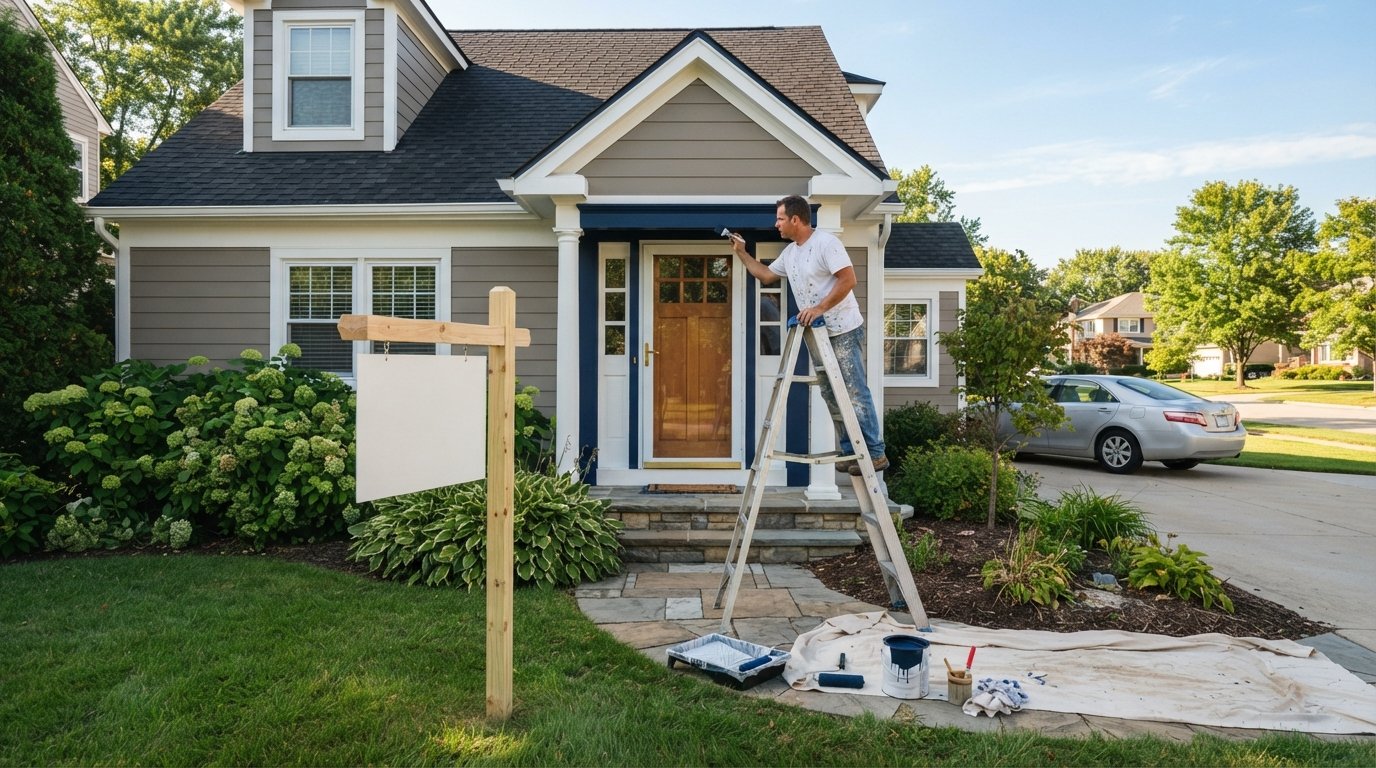
Exterior House Painting Costs and Curb Appeal Boost
A fresh exterior paint job can boost your home's value by up to $7,500. Here's how to plan your budget and maximize your curb appeal.

By Sarah Thomas
Learn more about Exterior Painting for guides, costs, and what to expect.
Compare Exterior Painting Pros Near You

Enter your ZIP code to compare top-rated local professionals and request free quotes.
Your home's exterior is the first thing people see, and it speaks volumes before a single word is exchanged. A fresh coat of paint can transform a tired facade into a welcoming statement, but many homeowners hesitate, unsure about the investment. Understanding the true relationship between exterior house painting costs and curb appeal is the key to making a smart decision that enhances both your home's beauty and its market value. This guide breaks down the expenses, the return on investment, and the strategic choices that help you achieve a stunning result without financial surprises.
Why Exterior Paint Matters for Curb Appeal
Curb appeal is more than just a real estate buzzword; it is a tangible asset. When potential buyers drive by, they form an opinion within seconds. A well-maintained exterior suggests a cared-for property, while peeling paint and faded colors can raise immediate red flags about the home's overall condition. In fact, a fresh exterior paint job is one of the most effective ways to increase perceived value, often yielding a return on investment (ROI) of over 50% at resale, according to industry studies.
Beyond resale, a quality paint job protects your home from the elements. It seals out moisture, prevents wood rot, and shields against sun damage. This protective layer is not just about aesthetics; it is a critical component of home maintenance that can save you thousands in future structural repairs. Choosing the right paint and applying it correctly extends the life of your siding, trim, and other exterior materials.
However, the cost of this transformative project can vary widely. Factors such as the size of your home, the type of siding, the quality of paint, and whether you hire a professional or go the DIY route all influence the final bill. Let's break down these variables so you can plan a budget that aligns with your goals and your home's specific needs.
Breaking Down the Average Costs
To get a realistic picture, you need to understand what drives the price. National averages provide a baseline, but local labor rates and material costs can shift the numbers. According to recent data, the average cost to paint a home's exterior ranges from $1,800 to $7,500, with most homeowners spending between $3,000 and $5,000 for a standard two-story house. For larger or more complex homes, costs can soar to $10,000 or more.
Here is a quick breakdown of the primary cost components:
- Labor: This is typically the largest expense, often accounting for 60-70% of the total. Professional painters charge per hour or per square foot, and their rates reflect their experience, equipment, and insurance.
- Paint and Materials: High-quality exterior paint can cost between $30 and $80 per gallon. You will also need primer, caulk, and possibly wood filler or other repair materials.
- Surface Preparation: This is the most critical yet often underestimated step. Power washing, scraping old paint, sanding, and priming can add significant time and cost, but skipping it leads to a poor finish and premature failure.
- Additional Repairs: If your siding has rot, cracks, or other damage, these must be addressed before painting. This can add a few hundred to a few thousand dollars to the project.
To get a precise estimate for your home, you can use online cost calculators, but the most reliable approach is to gather multiple quotes from local contractors. They will assess your home's specific condition and provide a detailed bid. Remember, the cheapest quote is not always the best value. Look for a contractor who offers a detailed scope of work, uses quality materials, and provides a warranty.
How to Estimate Your Home Painting Cost
While the average numbers are helpful, your home's unique characteristics will determine your actual cost. Here is a simple framework to help you estimate a budget before you contact professionals:
- Measure your home's exterior surface area. Multiply the perimeter of your home by the height of the walls. Subtract about 15 square feet for each standard door and 10 square feet for each window. You can also ask a contractor to do this for you.
- Determine the condition of your siding. If it is in good shape, you will only need a light scrape and a fresh coat. If it is peeling or flaking, extensive scraping and priming will be required, which adds labor time.
- Choose your paint quality. Premium paints offer better coverage and durability, but they cost more upfront. A mid-range paint is often a good balance between quality and price.
- Get at least three quotes. Provide each contractor with the same scope of work so you can compare apples to apples. Ask for a detailed breakdown of costs, including materials and labor.
Once you have these estimates, you can plan your budget with confidence. Remember that a professional job includes proper surface preparation, which is non-negotiable for a lasting finish. If you are considering the DIY route to save money, weigh the costs of renting equipment, buying paint, and your own time, and consider whether you can match the quality of a skilled professional.
Balancing Quality and Budget
It is tempting to cut corners to save money, but when it comes to exterior painting, the lowest bid can end up costing you more in the long run. A cheap paint job that fails within a year will require a costly do-over. Instead, focus on finding a balance between cost and value. Here are some strategies to help you save without sacrificing quality:
- Get multiple bids: This is the most effective way to ensure you're getting a fair price. Compare not just the total cost, but the specifics of what is included in each bid.
- Consider timing: Painting in the off-season (late fall or early spring) might get you a lower rate from contractors who are less busy. Just ensure the weather is suitable for painting.
- Do some prep work yourself: You can save money by handling tasks like power washing, scraping loose paint, and covering plants and outdoor furniture. However, be realistic about your skill level and the time required.
- Choose a neutral color palette: While bold colors can make a statement, neutral tones are often more cost-effective because they are easier to sell and may not require as many coats for proper coverage.
Another way to maximize your budget is to be strategic about what you paint. For example, you might choose to paint only the front of your home, which is the most visible area, and delay painting the sides and back. This can reduce the cost by up to 30-40%. However, be aware that this can lead to a visible color mismatch if the existing paint has faded, so consider this option carefully.
The Link Between Curb Appeal and Property Value
Investing in your home's exterior is one of the smartest financial moves you can make. Not only does it enhance your daily enjoyment of your home, but it also provides a direct return when you sell. According to a report from Zillow, a fresh exterior paint job can increase a home's value by an average of $2,500 to $7,500. In some markets, the return on investment can be even higher.
The reason is simple: a well-painted home signals to buyers that the property has been maintained. It reduces the perceived risk of unexpected repairs and creates an emotional connection that can lead to a faster sale and potentially multiple offers. When compared to other home improvements, exterior painting offers one of the highest ROIs, often outperforming projects like a kitchen remodel or a bathroom renovation.
However, the color you choose matters. Trends matter, but timeless colors are safer for resale. A classic palette of whites, grays, beiges, and muted greens or blues appeals to a broader audience. If you love a bold color, consider using it for the front door or shutters, which are easy to change later, while keeping the main body of the house in a neutral tone.
Beyond your own home, a fresh paint job can also positively impact your entire neighborhood. It raises the standard of curb appeal for everyone and can even contribute to a sense of community pride. This collective improvement can be a powerful motivator for many homeowners who are thinking about selling in the near future.
DIY vs. Hiring a Professional
The decision to paint your own home or hire a professional is a significant one. DIY can save you 60-70% of the labor cost, but it is a time-consuming and physically demanding task. Exterior painting requires specialized equipment like ladders, scaffolding, and sprayers, and it demands a high level of skill to achieve a smooth, even finish. Mistakes can be costly and difficult to correct.
On the other hand, hiring a professional ensures a high-quality, long-lasting result. Professionals have the experience to identify and address underlying issues like wood rot or mold. They also have the proper insurance and safety training, which protects you from liability in case of an accident. When you hire a pro, you are paying for peace of mind and a job done right.
If you are leaning toward DIY, ask yourself these questions:
- Do you have the physical ability to climb ladders and work for extended periods?
- Do you have access to the necessary equipment?
- Can you dedicate the time required, which can be a full week or more?
- Are you confident in your ability to prepare the surface and apply paint evenly?
If you answered no to any of these, hiring a professional is likely the better investment. To find a reliable contractor, you can use a service like BuySellRemodel to connect with vetted local pros who offer free estimates. This allows you to compare bids and choose the right fit for your project and budget.
Choosing the Right Colors and Finishes
The color scheme you select has a profound impact on your home's final look. A well-chosen palette can highlight architectural features, make your home look larger, and even improve its perceived value. Conversely, a poor color choice can detract from your home's charm and make it harder to sell.
Start by considering your home's architectural style. A Victorian home might look stunning in a three-color Victorian palette, while a modern Craftsman might be better suited to earthy tones with a bold accent on the front door. Your roof color, landscaping, and even the style of your neighborhood should also influence your decision. A good rule of thumb is to choose a main color, a trim color, and an accent color for details like the front door and shutters.
Here are a few popular color trends for 2026 that can boost curb appeal:
- Warm Neutrals: Cream, greige, and soft taupe offer a timeless appeal and pair well with a variety of trim colors.
- Earthy Greens: Sage, olive, and forest green create a connection with nature and can make a home feel grounded and inviting.
- Classic White and Black: A crisp white with black shutters and door is a bold, high-contrast look that exudes sophistication.
- Charcoal and Navy: These dark, rich colors can make a home stand out while still feeling elegant and modern.
When it comes to finishes, flat or matte finishes hide imperfections well and are ideal for siding. Satin and eggshell finishes are more durable and easier to clean, making them a good choice for trim and doors. Semigloss and gloss finishes are highly durable and reflect light, but they highlight surface flaws, so they are best used sparingly on details like window sills and door frames.
Maximizing Your Investment with Professional Contractors
Ultimately, the most reliable way to achieve a high-value result is to engage a professional painting contractor. They bring the expertise, tools, and efficiency to deliver a flawless finish that will last for years. When you request quotes, look for contractors who are licensed, insured, and offer a written warranty. They should be able to provide references and a detailed proposal outlining the scope of work, materials, and timeline.
Planning your project with a professional also helps you avoid budget surprises. They will accurately estimate the amount of paint needed and the labor involved, and they can guide you on the best materials for your specific climate and siding type. This upfront clarity is invaluable for a cost-conscious homeowner.
Moreover, a professional contractor can help you navigate unexpected issues that may arise during preparation, such as discovering rotted wood or insect damage. They can provide solutions and transparent pricing for these add-ons, so you are never left with a surprise bill. This level of service and accountability is well worth the investment.
If you are ready to transform your home's exterior and boost its curb appeal, the next step is to gather estimates. Requesting free quotes from multiple contractors allows you to compare prices and choose the best pro for the job. As you plan, remember that interior painting costs and tips for a flawless finish can also be a valuable reference if you are planning a whole-home refresh. By investing wisely in your exterior, you are not just painting a house; you are enhancing your property's value and your own pride in your home.
In conclusion, the connection between exterior house painting costs and curb appeal is direct and powerful. A well-executed paint job is a cost-effective way to protect your investment, increase your home's value, and create a welcoming environment. By planning carefully, choosing the right materials and colors, and hiring a trusted professional, you can achieve a beautiful result that pays off for years to come.