
Fall Home Maintenance Checklist Budget: Save Now
This fall home maintenance checklist budget helps you prevent costly winter repairs, improve energy efficiency, and keep your home safe.

By Sarah Thomas
Learn more about Handyman for guides, costs, and what to expect.
Compare Handyman Pros Near You

Enter your ZIP code to compare top-rated local professionals and request free quotes.
As the leaves begin to turn and the air carries that familiar crispness, your home is about to face months of harsher weather. While many homeowners focus on raking leaves and storing patio furniture, the savvy ones know that a well-planned fall home maintenance checklist budget can be the difference between a cozy, worry-free winter and a season of expensive, emergency repairs. The key is not just to maintain your home, but to do so in a way that respects your finances, preventing small issues from escalating into major, budget-busting projects. This guide will walk you through a practical, cost-conscious approach to preparing your property for the colder months, all while keeping your wallet intact.
Think of this not as a chore list, but as a financial strategy. Every task you complete now is an investment that pays dividends by avoiding the higher costs of emergency calls, water damage restoration, and inefficient heating. By focusing on a proactive fall home maintenance checklist budget, you are effectively giving yourself a raise by not having to pay for avoidable disasters. Let's break down how to prioritize your efforts and your dollars for maximum impact.
Why a Proactive Fall Home Maintenance Checklist Budget Matters
Winter can be unforgiving. Freezing temperatures, ice dams, and heavy snow can expose even the smallest vulnerabilities in your home's defenses. A tiny crack in your foundation or a clogged gutter can lead to significant structural damage or costly interior flooding. The financial impact of these issues is often thousands of dollars, a stark contrast to the relatively small cost of regular maintenance. By adopting a proactive mindset, you are shifting from a reactive, crisis-driven spending model to a planned, budget-friendly one.
Moreover, a well-maintained home is more energy-efficient. Sealing drafts and servicing your heating system can significantly reduce your monthly utility bills, which is a direct and immediate saving. This is where the "budget" part of your fall home maintenance checklist budget truly shines. It is not just about spending money on repairs; it is about strategically investing in efficiency and prevention. This approach not only saves you money in the short term but also protects the long-term value of your largest asset, your home.
Creating Your Budget-Conscious Fall Maintenance Plan
Before you start buying caulk and calling contractors, take a deep breath and map out your approach. A successful fall home maintenance checklist budget starts with a thorough inspection and a clear understanding of your financial limits. Begin by walking around your property and noting any visible issues, from missing roof shingles to cracks in the driveway. This initial assessment will help you differentiate between minor DIY tasks and larger projects that may require professional help.
Once you have your list, categorize the tasks into three priority levels: critical, important, and optional. Critical tasks are those that prevent immediate damage, such as cleaning gutters or draining outdoor faucets. Important tasks include servicing your furnace or checking your roof for leaks. Optional tasks are those that improve comfort or efficiency but are not urgent, like replacing old weatherstripping. This prioritization is the core of a smart fall home maintenance checklist budget, allowing you to allocate funds to the most urgent needs first.
Conducting a Homeowner's Inspection
A simple walk-around can reveal a world of information. Grab a notepad and look for these common issues:
- Roof and flashing: Look for missing, cracked, or curling shingles, and check the metal flashing around chimneys and vents for rust or gaps.
- Gutters and downspouts: Ensure they are securely attached, free of debris, and that downspouts direct water at least three feet away from your foundation.
- Exterior walls and foundation: Check for cracks, peeling paint, or areas where the siding meets the ground, which could allow water intrusion.
- Windows and doors: Look for gaps in the caulking or weatherstripping that would let in cold air and moisture.
- Yard and trees: Check for dead branches that could fall on your house during a storm.
This inspection is your first line of defense, and it costs nothing but a little time. It forms the foundation of your fall home maintenance checklist budget, helping you avoid hidden surprises later. By identifying potential problems early, you can plan for repairs at a fraction of the cost and stress of an emergency.
Top Budget-Saving Maintenance Tasks to Tackle
Now that you have a plan, let's dive into the specific tasks that will give you the most return on your investment. These are the activities that should form the backbone of your fall home maintenance checklist budget because they are either low-cost, high-impact, or both. Remember, the goal is to prevent expensive problems before they start, not to create a new list of things to fix.
Gutter Cleaning and Downspout Maintenance
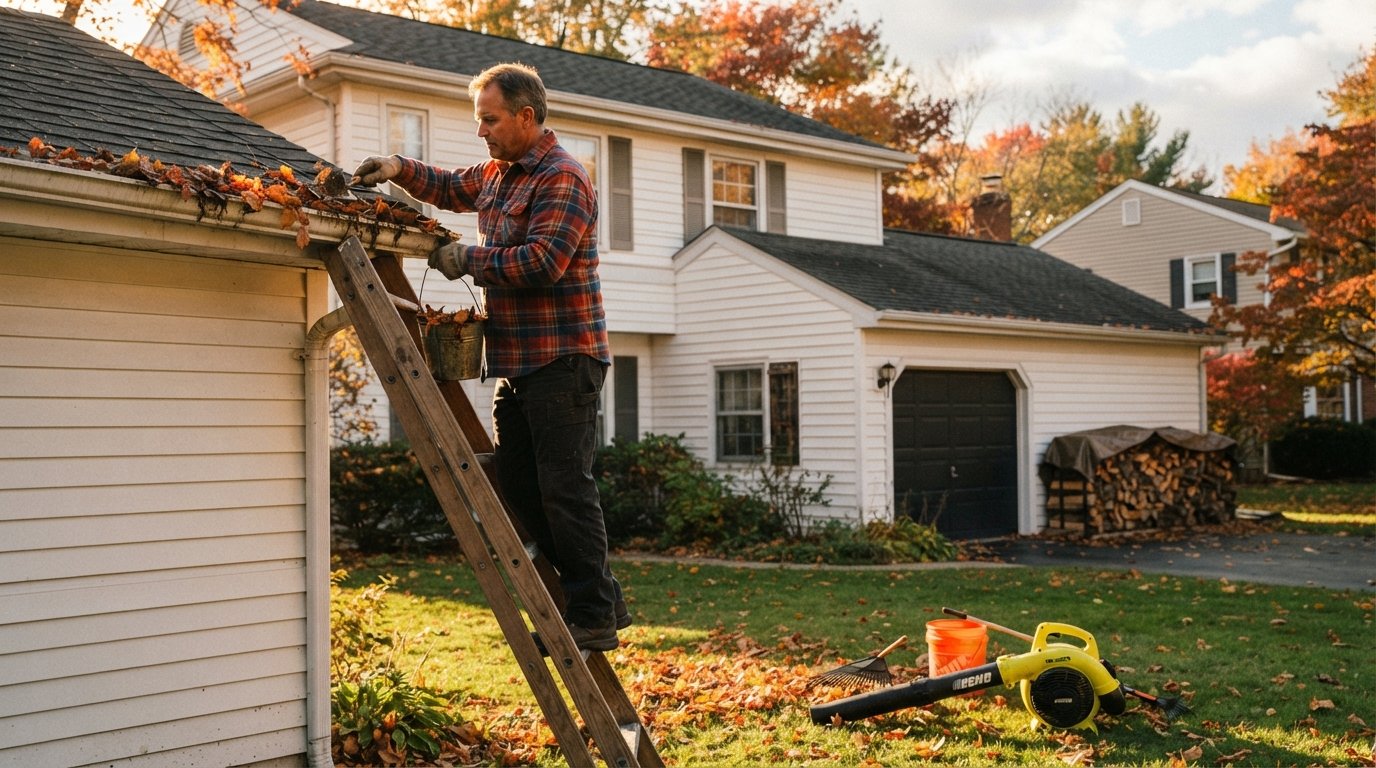
This is arguably the most critical and inexpensive task you can do. Clogged gutters are a leading cause of ice dams and water damage in the winter. When water cannot flow freely, it backs up, freezes, and can seep under your roof shingles, damaging your roof decking, insulation, and even your interior walls. The cost of cleaning your gutters is minimal, especially if you do it yourself, while the cost of repairing water damage or a compromised roof is immense. Make sure to also flush your downspouts with a garden hose to ensure they are clear.
Investing a Saturday afternoon in this simple chore is a cornerstone of any smart fall home maintenance checklist budget. It is a clear example of how a small amount of effort and money can save you thousands in potential emergency repairs. If you are not comfortable on a ladder, hiring a professional for this task is still a very cost-effective investment compared to the alternative. It is a small price to pay for peace of mind.
Sealing Air Leaks and Insulating
One of the biggest sources of energy loss in a home is through unsealed gaps and cracks. Check around your windows, doors, electrical outlets, and where utility lines enter your home. A simple tube of caulk or a roll of weatherstripping can seal these leaks and significantly reduce your heating bills. This is a perfect project for a DIY homeowner, as it is easy, affordable, and provides immediate, tangible savings. By making your home more airtight, you are also making it more comfortable, eliminating those drafty spots near windows.
This task is a key component of a proactive fall home maintenance checklist budget because it directly reduces your monthly expenses. Furthermore, if you have an attic, check the insulation level. Adding a layer of fiberglass insulation is a relatively inexpensive project that can dramatically improve your home's energy efficiency. This investment pays for itself over time through lower utility costs, making it a smart budget-friendly upgrade for any homeowner.
Heating System Tune-Up
Your furnace or heat pump has been idle all summer, and a professional tune-up is essential to ensure it runs efficiently and safely throughout the winter. A technician will clean the system, check for carbon monoxide leaks, and replace the air filter. This service, which typically costs between $80 and $150, can prevent a mid-winter breakdown and extend the life of your system. It is a far more affordable option than an emergency repair call, which often comes with premium rates and can leave you without heat for days. This is a non-negotiable item on any thorough fall home maintenance checklist budget because it protects both your comfort and your safety.
Consider this expense an insurance policy against the cold. A well-maintained system also runs more efficiently, which lowers your energy consumption and saves you money on every bill. Before you schedule the service, remember to check and replace your furnace filter yourself. A dirty filter restricts airflow, making your system work harder and increasing your energy bills. This simple, low-cost task is something you should do every 1-3 months, especially during the heating season.
Prioritizing Repairs and Professional Help
Not all tasks are DIY-friendly, and knowing when to call a professional is critical to protecting your budget. While you can handle caulking, weatherstripping, and gutter cleaning, larger issues like a failing roof, a faulty furnace, or a cracked foundation require specialized skills and equipment. Attempting these repairs yourself can lead to further damage and higher costs in the long run. When you do need a professional, it is wise to get multiple quotes and check references. The goal is to find a qualified expert who offers fair pricing, not necessarily the cheapest bid.
To make informed decisions, it is crucial to understand how contractors structure their bids. Our guide on understanding contractor bids and quotes can help you navigate this process with confidence. It explains the different types of estimates, what to look for in a contract, and how to compare offers effectively. This knowledge is a powerful tool in your budgeting arsenal, allowing you to avoid overpaying for services and to build a trustworthy relationship with a professional who can help you maintain your home for years to come.
Including professional inspections in your fall home maintenance checklist budget might seem like an extra expense, but it is often a wise one. For example, having a chimney sweep inspect and clean your fireplace is a critical safety measure if you plan to use it. Similarly, a quick check by a structural engineer can provide peace of mind if you notice new cracks in your foundation. These proactive consultations are far less costly than the repairs they help you avoid.
Planning for the Unexpected
Even the most meticulous fall home maintenance checklist budget cannot predict every potential issue. That is why it is wise to set aside a small contingency fund for unexpected home repairs. A good rule of thumb is to save at least 1% of your home's value for annual maintenance and an additional buffer for emergencies. This might seem daunting, but even a modest savings account for home upkeep can prevent a minor leak from becoming a credit card catastrophe. This financial cushion is the ultimate tool in your budget-conscious homeowner toolkit.
This proactive saving strategy not only provides financial security but also reduces stress. When you know you have a reserve, you are not forced into making hasty, expensive decisions in the event of a sudden issue. You can take the time to get proper estimates and choose the best solution, rather than just the most immediate one. This is an essential part of a comprehensive fall home maintenance checklist budget, ensuring that you are not just prepared for the known tasks, but also resilient in the face of the unknown.
Budget-Friendly Upgrades to Improve Efficiency
While you are focused on maintenance, consider a few low-cost upgrades that can further reduce your winter energy bills. For instance, installing a programmable or smart thermostat allows you to automatically lower the temperature when you are away or asleep, saving you up to 10% on your heating costs. These devices are affordable and can often be installed in under an hour. This is a perfect example of a small investment that yields continuous savings, aligning perfectly with your budget-friendly fall home maintenance checklist budget.
Another simple upgrade is to install foam gaskets behind electrical outlet and switch plates on exterior walls. These inexpensive pieces of foam prevent cold air from seeping into your living space, making your home more comfortable and reducing the load on your heating system. You can also add a water heater blanket to insulate an older water heater, reducing standby heat loss. These small, do-it-yourself projects are easy on your wallet and contribute to a more energy-efficient, cost-effective home. For larger projects, such as replacing old windows or adding insulation, you can use the savings from your regular maintenance to fund them over time, or explore financing options if needed. The key is to see every part of your home care routine, including maintenance and upgrades, as a chance to save money and add value to your property. If you are planning a more extensive renovation, resources like BuySellRemodel can help you connect with professionals who can bring your vision to life within your budget.
Staying on Track with a Maintenance Schedule
The success of any fall home maintenance checklist budget depends on consistency. Creating a schedule ensures that these tasks become a habit, not just a one-time event. You can use a simple notebook, a spreadsheet, or a digital calendar to list all the tasks you need to complete each fall. Setting aside a specific weekend in late September or early October for your initial inspection and the most critical tasks, like gutter cleaning, will help you stay ahead of the weather. Then, you can spread out the other tasks over the following weekends, making the workload more manageable.
In addition to setting a schedule, it is helpful to keep a record of all the services and repairs you have done. This home maintenance log will help you track the age of your major systems, like your roof or furnace, and anticipate when they may need replacement. It also provides valuable documentation for potential homebuyers if you ever decide to sell, demonstrating that your home has been well-cared for. This kind of proactive organization is the hallmark of a responsible homeowner and makes your fall home maintenance checklist budget a living document that guides your decisions throughout the year, ensuring that you are always prepared and never caught off guard.
By taking a strategic, budget-focused approach to fall maintenance, you are doing more than just preparing your home for winter. You are protecting your financial future, increasing your home's value, and creating a safe, comfortable haven for you and your family. The time and modest money you invest now will pay off handsomely in the months to come, providing you with the peace of mind that comes from knowing your home is ready for anything.