
Roof Replacement Cost: 2026 Pricing Guide for Homeowners
Get a clear picture of roof replacement costs in 2026. Learn what factors affect pricing and how to save money on your project.

By Sarah Thomas
Learn more about Roof Installation or Replacement for guides, costs, and what to expect.
Compare Roof Installation or Replacement Pros Near You

Enter your ZIP code to compare top-rated local professionals and request free quotes.
Your roof is one of the most critical components of your home, yet its replacement is a project most homeowners dread facing. The uncertainty around the final bill, the disruption to daily life, and the fear of choosing the wrong contractor can feel overwhelming. But here is the good news: when you understand what drives the price, you can budget accurately, avoid surprise costs, and make informed choices that protect both your home and your finances. This guide breaks down the true roof replacement cost for 2026, explains the variables that matter most, and shows you how to get the best value for your investment.
What Is the Average Roof Replacement Cost in 2026?
The national average for a standard asphalt shingle roof replacement on a 1,700 to 2,000 square foot home typically falls between $9,000 and $15,000. However, this figure is far from absolute. Depending on your location, the complexity of your roof, and the materials you select, you could pay as little as $5,000 or as much as $40,000 or more.
To give you a clearer picture, here are typical price ranges based on the most common roofing materials. Remember, these figures include both materials and professional labor:
- Architectural Asphalt Shingles: $9,000 to $15,000
- Metal Roofing (standing seam): $20,000 to $35,000
- Wood Shake or Shingle: $15,000 to $25,000
- Slate or Tile: $25,000 to $50,000 or higher
These ranges are a starting point. The actual roof replacement cost for your project will be influenced by several key factors that we will explore in the next section. It is also important to note that prices have been rising steadily due to material costs and labor shortages, so getting a current estimate from a local contractor is always the most reliable way to plan your budget.
Five Factors That Significantly Affect Your Final Bill
Understanding the variables that go into a roof replacement quote will help you ask the right questions and compare bids effectively. Here are the five most impactful elements that determine your final cost.
1. Roof Size and Complexity
The size of your roof is measured in "squares," where one square equals 100 square feet of roofing surface. A larger home naturally requires more materials and labor, directly increasing the cost. Complexity is just as important. A simple, two-sided gable roof is far easier and faster to work on than a roof with multiple valleys, dormers, chimneys, or steep pitches. These features require more time, skill, and specialized equipment, which raises the overall price.
2. Material Choice and Quality
As the ranges above show, the material you choose has a massive impact on the final roof replacement cost. Architectural shingles are the most popular choice for their balance of durability and affordability. If you live in an area prone to hail or high winds, an impact-resistant shingle will cost more upfront but may save you money on insurance premiums over time. Metal roofing offers exceptional longevity, often 50 years or more, but the material and installation costs are significantly higher. To make the best choice, consider not just the upfront price but the lifespan and warranty of each material.
3. Tear-Off and Disposal Fees
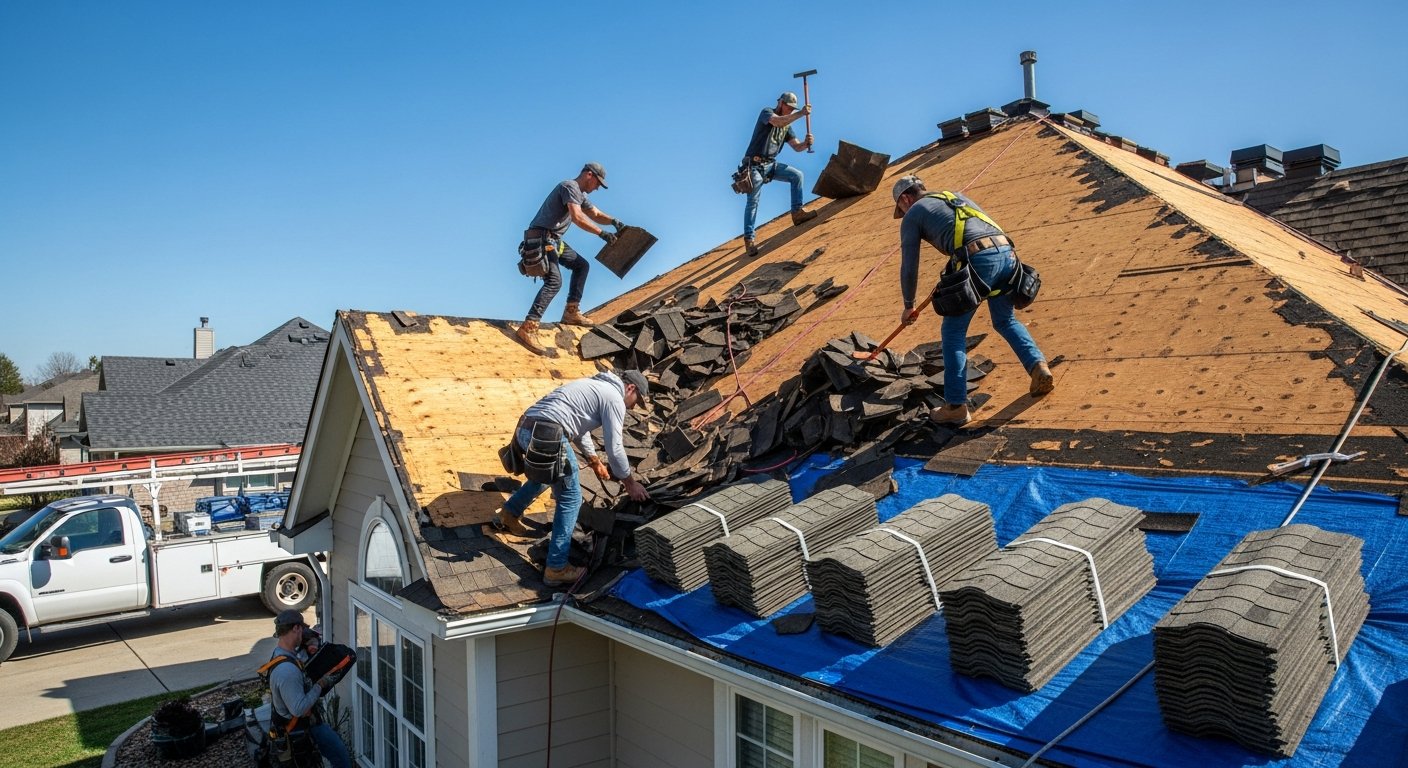
Before a new roof can go on, the old one must come off. This tear-off process includes removing shingles, underlayment, and flashing, then hauling the debris away. Disposal fees at local landfills add to this cost. Some contractors include this in their base quote, while others list it as a separate line item. If you are considering a second layer of shingles over the first, it can save money initially, but it adds significant weight to your roof structure and may void the new shingle's warranty. Most roofing professionals recommend a full tear-off for best results.
4. Geographic Location and Labor Rates
Labor rates vary considerably across the country. Roofers in urban areas with a high cost of living typically charge more than those in rural communities. Local climate also plays a role. In states with strict building codes for wind or snow load, the installation may require additional materials and labor. Your local market competition also influences pricing, so it is always wise to get multiple quotes from vetted contractors in your area.
5. Underlayment and Ventilation Upgrades
While not as glamorous as the shingles themselves, the underlayment and ventilation system are critical to your roof's performance and longevity. A high-quality synthetic underlayment costs more than standard felt but offers superior protection against moisture. Proper attic ventilation, including ridge vents and soffit vents, helps prevent heat and moisture buildup that can damage your roof and shingles. Replacing or upgrading these components during your roof replacement is a smart investment that can extend the life of your new roof, though it will add to the total cost.
How to Save Money on Your Roof Replacement
While a roof replacement is a significant expense, there are several legitimate ways to reduce the financial burden without compromising on quality. Here are some practical strategies to keep your roof replacement cost as low as possible.
Get Multiple Quotes and Compare Them Carefully. Do not just look at the bottom line. Ask each contractor for a detailed breakdown of materials, labor, and any additional fees. This allows you to see exactly where the money is going and identify any inflated charges.
Time Your Project in the Off-Season. Roofing contractors are busiest in late spring and summer. Scheduling your replacement in the late fall or winter, when demand is lower, may give you more negotiating power. Some companies offer seasonal discounts to keep their crews working.
Consider Insurance and Financing Options. If your roof was damaged by a storm, your homeowner's insurance may cover a significant portion of the cost. File a claim early and work with your adjuster. For the remaining balance, many roofing companies offer financing plans with low or no interest for a set period. This can make a large expense more manageable without sacrificing quality.
Focus on Long-Term Value. It can be tempting to choose the cheapest quote, but sometimes spending a little more upfront on better materials or a more experienced crew pays off in the long run. A quality installation with a solid warranty can prevent costly repairs or premature replacement down the road. Always weigh the initial cost against the expected lifespan of the product.
DIY vs. Hiring a Professional: What Is the True Cost Savings?
The idea of replacing your own roof to save money on labor is appealing, but the reality is complex. While you can save thousands of dollars by doing it yourself, you are taking on significant risks and responsibilities. Proper roof installation requires specialized safety equipment, knowledge of flashing, ventilation, and local building codes. An improperly installed roof can leak, void material warranties, and even cause structural damage. Furthermore, roofing is one of the most dangerous home improvement tasks. The risk of serious injury is high, and without a contractor's insurance, you could be personally liable for any accidents.
For most homeowners, hiring a professional is the wiser choice. It protects your home, your warranty, and your safety. The key is to hire the right professional. Look for a licensed, insured contractor with solid local references. Ask about their experience with your specific roof type and material. A good contractor will walk you through the entire process and provide a clear, written contract. When you request a free quote through our platform, we help you connect with local pros who can provide transparent estimates and quality workmanship.
How to Get an Accurate Roof Replacement Cost Estimate
Getting an accurate estimate is the most important step in your roofing project. An estimate is not just a price; it is a detailed plan of the work to be done. Here is a simple process to ensure you get a reliable figure.
- Schedule a Professional Inspection: A contractor needs to physically inspect your roof to measure it, assess its condition, and identify any underlying issues. Avoid companies that quote a price over the phone or from satellite images alone.
- Request a Detailed Written Quote: The quote should list the materials (brand and type), the labor costs, the tear-off and disposal fees, and any specific warranties. It should also state a timeline for the project.
- Compare at Least Three Bids: This gives you a good sense of the going rate in your area. However, do not automatically pick the lowest bid. Look for a balance of competitive pricing, good communication, and a solid reputation.
- Ask Questions: Do not hesitate to ask for clarification on any line item. A reputable contractor will be happy to explain the details and help you understand the process.
This method ensures you are not just comparing numbers but also the value each contractor brings to the table. A slightly higher bid might include better materials, more comprehensive warranties, or a more experienced crew, which can be worth the extra investment.
Signs It Is Time for a Roof Replacement
Knowing when to replace your roof is just as important as knowing how much it costs. Sometimes the signs are obvious, but other times they are subtle. Here are the most common indicators that your roof has reached the end of its service life.
Age: Most asphalt shingle roofs last between 20 and 25 years. If your roof is approaching this age, it is wise to have it inspected annually, even if it looks fine. Curling or Missing Shingles: This is a clear sign of weathering and deterioration. Granules in the Gutters: When shingles lose their granules, they lose their protective coating and become brittle. Daylight Through the Roof Boards: If you can see light coming through your attic roof, you have gaps that need urgent attention. Sagging Areas: This indicates structural issues, often from prolonged moisture damage. Higher Energy Bills: A poorly ventilated or damaged roof can affect your home's insulation, leading to increased heating and cooling costs.
If you notice any of these signs, do not wait. A small leak can quickly turn into a major problem, leading to water damage, mold, and even structural rot. Addressing the issue promptly can actually save you money in the long run.
Understanding the factors that influence roof replacement cost is the first step toward a successful project. With this knowledge, you can set a realistic budget, ask the right questions, and choose a contractor who offers both quality and value. Remember that your roof is a long-term investment in your home's safety and value. Getting it done right the first time is always the most cost-effective approach. We are here to help you connect with trusted roofing professionals who can provide the free estimates you need to make a confident decision.